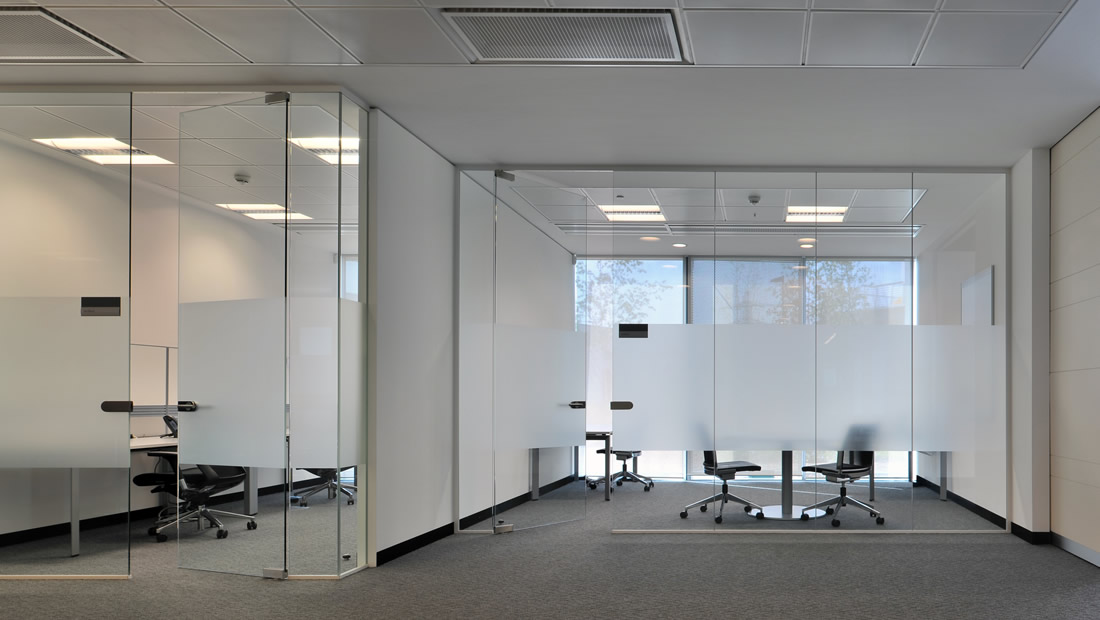
A modern office needs more than desks and chairs to function efficiently. It requires a carefully planned environment where employees can work comfortably, teams can collaborate effectively, and businesses can present a professional image to visitors. Furniture plays an important role in achieving these objectives, particularly when organisations want to make the best use of limited office space.
Modular furniture has become a practical choice for businesses because it offers flexibility, efficient storage, and adaptable configurations. From employee workstations and executive desks to conference tables and reception counters, modular designs help create organised workspaces that can evolve with changing business needs.
Choosing reliable modular office furniture manufacturers in Pune is therefore an important step when setting up a new office or renovating an existing workplace. The right manufacturer can help you select suitable materials, customize furniture according to your floor plan, and create solutions that balance appearance, functionality, and budget.
However, not every supplier offers the same level of product quality, design support, or installation service. Businesses should carefully evaluate manufacturing capabilities, material specifications, ergonomic features, delivery schedules, and after-sales support before making a decision.
1. Understand Your Workplace Requirements
Before approaching furniture manufacturers, identify the specific needs of your office. Every organisation has different priorities depending on its workforce, available floor area, working methods, and future expansion plans.
Begin by measuring the office space and identifying areas for employee workstations, meeting rooms, management cabins, reception counters, and storage facilities. Consider how employees move between departments and whether the layout provides sufficient room for chairs, walkways, and shared equipment.
Prepare a list of essential furniture items, including:
- Modular workstations for employees.
- Executive desks for management teams.
- Conference tables for meetings.
- Filing cabinets and storage units.
- Reception desks and visitor seating.
- Ergonomic chairs and suitable accessories.
A clear requirement list helps manufacturers understand your expectations and recommend appropriate configurations. Experienced modular office furniture manufacturers in Pune can use these details to suggest furniture that fits your available space and daily operational requirements.
It is also important to consider future growth. If your organisation expects to recruit more employees, select modular systems that can be extended without replacing the entire furniture arrangement. This approach can help control future expenditure while maintaining a consistent office design.
2. Evaluate Manufacturing Experience and Expertise
A manufacturer’s experience can provide useful insight into its ability to handle different office furniture requirements. Nevertheless, businesses should examine actual capabilities and completed projects instead of relying only on claims about experience.
Review the manufacturer’s portfolio for examples of corporate offices, commercial establishments, coworking spaces, and other professional environments. Look for projects with requirements similar to yours in terms of office size, furniture quantity, and customisation.
Pay attention to practical details such as workstation arrangements, surface finishing, storage capacity, cable management, and the consistency of the overall installation.
You should also ask about the manufacturer’s design process, production capacity, quality checks, and ability to meet agreed deadlines. Visiting a showroom or manufacturing facility, where possible, can help you inspect the workmanship and available materials.
3. Examine Material Quality and Construction
Furniture durability depends on the materials, hardware, structural design, and finishing techniques used during manufacturing. Attractive designs may not provide good value if the products deteriorate quickly under everyday office conditions.
Common materials include plywood, particleboard, medium-density fibreboard, metal, glass, and engineered wood with laminate finishes. Each has different characteristics relating to cost, appearance, maintenance, and strength.
For example, workstations used throughout the day need stable construction and surfaces that withstand regular handling. Cabinets require sturdy shelves, dependable hinges, and smooth drawer mechanisms. Tables should remain stable when employees use computers, documents, and other equipment.
Before placing an order, check these important quality indicators:
Board quality: Confirm that the selected material is suitable for the furniture’s intended purpose.
Edge finishing: Properly finished edges improve appearance and help protect exposed board surfaces.
Hardware: Inspect hinges, handles, drawer channels, connectors, and other fittings.
Surface finish: Look for consistent laminates, smooth edges, and clean finishing.
Structural stability: Ensure that tables, workstations, and cabinets remain steady during regular use.
Maintenance requirements: Select materials that can be cleaned and maintained conveniently.
Request written specifications for the proposed furniture. Comparing these details across suppliers helps you evaluate quality more accurately and avoid making decisions based entirely on appearance or price.
4. Look for Flexible and Customisable Designs
One of the biggest advantages of modular furniture is its ability to accommodate different office layouts. Businesses can select configurations according to their floor plans and adjust them when departments change or employee numbers increase.
Professional modular office furniture manufacturers in Pune should be able to discuss custom workstation sizes, storage combinations, finishes, colours, and cable management according to your requirements.
For example, an open-plan workplace may need shared desks with privacy panels, while a small office might benefit from compact workstations and vertical storage. A large corporate office may require separate areas for individual work, team collaboration, and formal meetings.
Common customisation options include:
- Different workstation dimensions and layouts.
- Colours and finishes that complement company branding.
- Integrated cable trays and concealed wiring arrangements.
- Lockable cabinets and filing systems.
- Privacy screens for focused working.
- Adjustable components for flexible use.
- Meeting tables designed for different group sizes.
Ask the manufacturer to provide a layout drawing or three-dimensional visualisation before production begins. This makes it easier to review furniture placement, movement space, and compatibility with other office elements.
5. Compare Office Table Manufacturers in Pune
Office tables are among the most frequently used furniture items in a workplace. Employees depend on them for computer work, paperwork, communication, and other daily activities. Their design should therefore support comfortable working conditions while making efficient use of available space.
When comparing office table manufacturers in Pune, consider whether they offer suitable products for employees, managers, conference rooms, and specialised work areas.
Employee desks should provide sufficient room for monitors, keyboards, documents, and other equipment. Executive tables may require additional surface area and storage, while conference tables must accommodate participants without restricting movement.
Consider the following factors when evaluating office tables.
Dimensions: Choose a table size that suits the available floor area and intended use. Oversized furniture can restrict movement, while smaller surfaces may not accommodate essential equipment.
Construction: Inspect the tabletop, supporting frame, joints, and finishing materials for suitability and durability.
Cable management: Cable openings and trays can keep computer wires organised and reduce visible clutter.
Storage: Drawers and side cabinets provide convenient access to documents, stationery, and office supplies.
Ergonomics: Desk height should work comfortably with the employee’s chair and computer setup. Adjustable options may suit workplaces that value flexible working arrangements.
Appearance: Tables should complement other furniture and maintain consistency throughout the office.
Request itemised quotations from several suppliers. Compare equivalent dimensions, materials, finishes, and features so that your decision reflects overall quality rather than the lowest initial price.
6. Prioritise Employee Comfort and Ergonomics
Office furniture should support employees throughout their working day. Poorly designed desks, unsuitable seating, and restricted legroom can make everyday tasks uncomfortable and reduce the usability of a workspace.
An ergonomic workstation should allow employees to maintain a comfortable posture while using computers, handling paperwork, and performing other activities. Desk height, chair adjustments, monitor placement, keyboard positioning, and available working space should be considered together.
Employees who work extensively on computers may benefit from suitable monitor positioning and sufficient desk space. Those who regularly handle documents may need larger work surfaces and accessible storage.
7. Compare Prices and Understand Quotations
Budget is an important consideration when furnishing an office, but the lowest quotation does not always offer the best value. Differences in material quality, hardware, customisation, transportation, and installation can affect the total project cost.
Ask each supplier for an itemised quotation that identifies furniture quantities, dimensions, materials, finishes, manufacturing charges, transportation costs, installation fees, and applicable taxes.
When evaluating modular office furniture manufacturers in Pune, ensure that each proposal covers comparable specifications. A cheaper option may use different board materials, lower-grade fittings, or fewer features.
Consider long-term ownership costs as well. Furniture that requires frequent repairs or early replacement may prove more expensive than a durable alternative.
To manage your budget effectively:
- Separate essential furniture from optional upgrades.
- Prioritise durability and ergonomic suitability.
- Compare warranty terms and maintenance arrangements.
- Confirm whether delivery and installation are included.
- Review payment schedules and project deadlines.
- Keep a reasonable contingency allowance for unexpected expenses.
Before approving the order, ensure that all costs and responsibilities are documented. Transparent commercial terms can reduce misunderstandings and make the purchasing process easier to manage.
8. Check Delivery, Installation, and After-Sales Service
A successful furniture project depends on more than manufacturing quality. Timely delivery, correct assembly, and reliable after-sales support are equally important.
Ask the manufacturer for a realistic production and delivery schedule based on the quantity of furniture and the complexity of customisation. If you are setting up a new office, coordinate furniture installation with flooring, electrical work, painting, lighting, and networking activities.
Clarify who will handle transportation, unloading, assembly, and placement. You should also understand how damaged items, missing components, or installation defects will be resolved.
Once installation is complete, inspect the furniture carefully. Check table stability, drawer movement, cabinet alignment, surface finishing, and hardware quality. Ensure that the final arrangement matches the approved layout.
9. Consider Turnkey Interior Design Solutions
Furniture is only one part of a complete office environment. New commercial spaces and major renovations may also require partitions, flooring, lighting, electrical installations, painting, and other interior work.
Businesses that want to coordinate these activities can consider an integrated interior design and execution service. A coordinated approach may simplify project management by aligning different tasks under a defined schedule and scope.
Companies planning commercial offices in Mumbai may explore turnkey interior design solutions in mumbai to manage furniture selection alongside broader interior requirements.
Before choosing a provider, review its commercial interior experience, design capabilities, project coordination procedures, quality checks, and pricing transparency.
- Review Customer Feedback and Completed Projects
Customer reviews can reveal important information about a manufacturer’s reliability, product durability, and service quality. Look for feedback relating to communication, delivery schedules, installation standards, and after-sales assistance.
Do not depend exclusively on testimonials published on the company’s website. Where possible, check independent reviews and request references from businesses that have completed similar projects.
When comparing office table manufacturers in Pune, ask previous customers whether customised products matched their approved designs and whether any problems were resolved promptly.
11. Ask Important Questions Before Finalising Your Supplier
Before making a decision, prepare a checklist of questions that clarify the manufacturer’s capabilities, specifications, and commercial terms.
Ask potential suppliers:
- Can you customise furniture according to our office dimensions?
- Which materials and hardware will be used?
- Can you provide samples or references from completed projects?
- What is the expected manufacturing and installation timeline?
- Does the quotation include transportation and assembly?
- What warranty applies to the products and components?
- Can the furniture be expanded or rearranged later?
- What after-sales support is available?
Reliable modular office furniture manufacturers in Pune should explain their recommendations and help you understand the advantages and limitations of different products.
Conclusion
Selecting the right office furniture manufacturer requires a careful assessment of quality, design flexibility, ergonomics, pricing, installation, and customer support. Start by understanding your workspace requirements and establishing a realistic budget. Then compare materials, review completed projects, inspect workmanship, and evaluate delivery arrangements before placing an order.
Reliable modular office furniture manufacturers in Pune can help businesses create organised, adaptable workspaces that support daily operations. Comparing experienced office table manufacturers in Pune can help you identify desks that match your available space, employee requirements, and interior design.
For larger commercial projects, businesses can also explore turnkey interior design solutions in mumbai to coordinate furniture with other interior requirements.