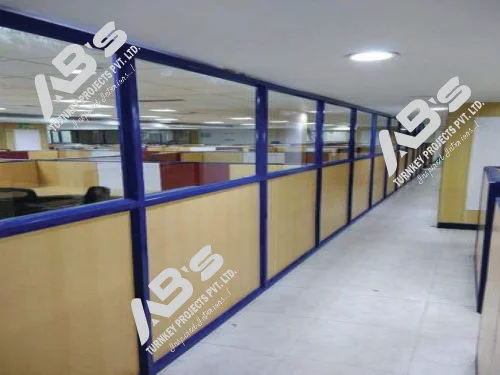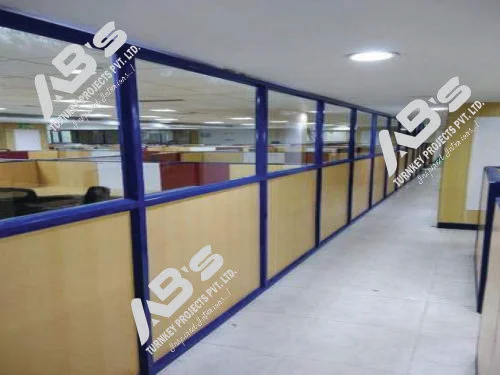
A well-designed office creates a positive impression, supports employee productivity, and reflects a company’s professional identity. As businesses grow and workplace expectations change, many organisations are moving towards open, flexible, and visually appealing office interiors. Glass partitions have become a popular choice because they divide workspaces without making them feel cramped or disconnected.
Choosing the right modern office glass partition supplier in Pune is an important step towards creating a functional and attractive workplace. The right supplier can help you select suitable glass, aluminium framing, partition layouts, and installation methods according to your office requirements and budget.
However, with several factors to consider, selecting a supplier should involve more than comparing prices. You need to evaluate product quality, design capabilities, installation expertise, safety standards, and after-sales support. This guide explains how to assess your options and make a confident decision for your next office interior project.
1. Understand Your Office Partition Requirements
Before contacting suppliers, identify why your office needs glass partitions. A clear understanding of your requirements will help you choose suitable products and avoid unnecessary expenses.
For example, a corporate office may require separate cabins for managers, enclosed meeting rooms, and designated areas for confidential discussions. A startup might prefer an open layout that encourages collaboration while providing a few private spaces for focused work.
Consider the following questions:
- How many cabins, meeting rooms, or departments need separation?
- Do you prefer transparent, frosted, tinted, or decorative glass?
- Is sound insulation important for your workspace?
- Will the partitions remain fixed or need future modifications?
- What is your approximate budget for materials and installation?
Create a basic floor plan showing existing furniture, doors, windows, electrical points, and movement areas. This information will help the supplier recommend a practical layout.
2. Check the Supplier’s Experience and Expertise
Experience is an important consideration when selecting an office partition provider. An experienced company is more likely to understand the challenges involved in measuring, designing, supplying, and installing partition systems in different commercial environments.
Look for a supplier with experience in offices similar to yours. Projects involving IT companies, corporate offices, coworking spaces, consulting firms, and commercial establishments can demonstrate an understanding of different workplace requirements.
Ask the company about its previous projects, installation process, team qualifications, and ability to handle customised designs.
You should also check whether the supplier manages the complete process or outsources important stages to multiple contractors. A clearly defined process can simplify communication and reduce the chances of delays.
When reviewing a portfolio, pay attention to finishing quality, alignment, door operation, glass fitting, and the overall appearance of completed installations. These details can reveal more about workmanship than promotional photographs alone.
3. Evaluate Glass Quality and Safety Standards
Glass quality directly affects the safety, durability, and appearance of an office partition system. Therefore, it is essential to understand the type of glass being offered before approving a quotation.
Common options include:
Toughened glass: This type of glass undergoes a controlled heat-treatment process to improve its strength compared with ordinary annealed glass. When it breaks, it generally fragments into smaller pieces rather than large, sharp shards.
Laminated glass: Laminated glass consists of glass layers bonded with an interlayer. If the glass breaks, the interlayer helps hold the fragments together. It may be suitable for applications where retaining broken pieces is important.
Frosted glass: Frosted finishes provide visual privacy while allowing light to enter the workspace. They are commonly used for cabins, meeting rooms, and consultation areas.
Tinted or decorative glass: These options can complement a company’s interior design while offering different levels of visual screening.
The appropriate choice depends on the partition location, dimensions, door configuration, safety requirements, and intended use.
Ask for product specifications and relevant compliance documentation. Confirm that the glass thickness, fittings, and installation details are suitable for the proposed application. Avoid assuming that a particular glass type or thickness is appropriate for every office.
4. Examine Aluminium Frames and Hardware
The framing system plays a major role in the stability, durability, and appearance of a partition. Aluminium is frequently used because it is lightweight, corrosion-resistant, and suitable for contemporary commercial interiors.
When evaluating a partition system, inspect the quality of aluminium profiles, joints, connectors, and finishing. The frame should suit the dimensions and configuration of the glass panels.
Hardware deserves equal attention. Hinges, handles, locks, floor springs, and sliding mechanisms influence daily convenience and long-term performance.
Before finalising your supplier, ask about:
- Aluminium profile specifications and finish options.
- Compatibility between the frame and glass thickness.
- Door hardware quality and availability of replacement parts.
- The suitability of fittings for frequent daily use.
- Maintenance requirements and warranty coverage.
A cheaper system may appear attractive initially but could require frequent adjustments if its hardware or installation quality is poor.
Selecting compatible components from a supplier who understands the complete system can help create a reliable and professionally finished workspace.
5. Compare Design Options and Customisation
Every office has different space constraints, operational needs, and design preferences. A suitable supplier should offer solutions that fit your floor plan instead of recommending the same layout for every project.
Popular glass partition configurations include full-height partitions, framed glass walls, semi-private partitions, sliding glass systems, and frosted cabin enclosures.
For a small office, transparent glass can make the interior appear more spacious by allowing natural light to travel across different areas. Frosted bands or customised films can provide privacy without completely blocking daylight.
Large organisations may need a combination of transparent cabins, enclosed conference rooms, and semi-private collaboration zones. A flexible layout can accommodate these requirements while maintaining visual consistency.
Discuss your preferred colours, frame finishes, door styles, branding elements, and privacy requirements with the supplier. Request drawings or visual mock-ups before installation begins.
The final design should also consider furniture placement, ventilation, lighting, accessibility, and convenient movement between departments.
6. Review Installation Services and Project Management
Even premium materials may fail to deliver satisfactory results when installation is handled poorly. Accurate measurements, proper alignment, secure fittings, and careful handling are essential for a successful partition project.
Reliable office aluminium glass partition services in pune should include a clear process for site inspection, measurements, design confirmation, material selection, installation, and final quality checks.
Before hiring a company, understand how it manages the installation schedule and coordinates with other contractors. Office renovation projects may involve electrical work, flooring, ceilings, painting, and furniture installation. Poor coordination can cause delays or require rework.
Ask whether the installation team has experience working in occupied offices. If your business must continue operating during the project, discuss suitable working hours, dust control, access restrictions, and safety precautions.
7. Compare Quotations Beyond the Total Price
Price is an important factor, but the lowest quotation does not always represent the best value. Different suppliers may quote for different glass specifications, frame qualities, hardware brands, installation methods, and finishing standards.
Request itemised quotations from at least two or three suppliers. Each quotation should clearly explain what is included in the proposed work.
Compare the following elements:
- Glass type, thickness, and specified dimensions.
- Aluminium frame specifications and surface finish.
- Hinges, locks, handles, and other hardware.
- Transportation, installation, and finishing charges.
- Taxes, payment terms, and delivery schedules.
- Warranty conditions and post-installation support.
Check whether the quotation includes removal of existing partitions, disposal of waste, sealing materials, and any necessary site preparation.
Ask suppliers to clarify exclusions before making a decision. This helps you avoid unexpected expenses during installation.
- Check Customer Reviews and Previous Projects
Customer feedback can provide useful insights into a supplier’s reliability and service quality. Reviews may reveal whether the company follows agreed schedules, communicates clearly, delivers consistent workmanship, and responds to complaints.
Explore business listings, testimonials, project photographs, and available case studies. Where possible, request references from previous commercial clients.
Do not rely entirely on star ratings or promotional claims. Look for detailed feedback about installation quality, responsiveness, pricing transparency, and how the supplier handled problems.
If the project budget is substantial, consider visiting a completed installation or requesting a live demonstration of the proposed partition system.
During an inspection, look for uneven gaps, loose fittings, poorly aligned doors, visible damage, and inconsistent finishes. Ask the supplier how it manages repairs and whether replacement hardware is readily available.
9. Confirm Warranty and After-Sales Support
Office partitions are used every working day, so access to maintenance and repair services can be valuable. Door closers may need adjustment, locks can wear out, and moving parts may require servicing over time.
Before signing an agreement, review the warranty carefully. Confirm which components are covered, the warranty duration, exclusions, and the process for requesting service.
Ask whether the warranty covers only manufacturing defects or also specific installation-related issues. Glass breakage, accidental damage, and normal wear may be treated differently, so these terms should be understood in advance.
Find out how quickly the supplier typically responds to service requests and whether it can provide compatible replacement components.
10. Coordinate Partitions with Office Furniture
Glass partitions should work harmoniously with the furniture and overall layout. Their positioning can affect desk arrangements, circulation, storage, lighting, and the functionality of meeting rooms.
Before installation, determine where workstations, storage cabinets, reception desks, and conference tables will be placed. This can prevent conflicts between partition doors and furniture or create enough clearance for comfortable movement.
When planning a boardroom or meeting area, consider the room dimensions, seating capacity, cable management, display screens, and the distance between chairs and walls.
Businesses planning a complete workspace upgrade may also consult conference table manufacturers in Pune to coordinate table dimensions, materials, finishes, and seating arrangements with the partition layout.
This coordination helps create a consistent interior instead of treating partitions and furniture as unrelated purchases.
11. Assess Acoustic Privacy and Workplace Comfort
Glass partitions can create an open, bright environment, but sound transmission needs careful consideration. A visually enclosed room does not automatically provide effective acoustic privacy.
If your office regularly handles confidential discussions, client consultations, interviews, or management meetings, ask the supplier about acoustic performance.
Performance depends on several factors, including glass construction, panel joints, door seals, gaps around frames, and the surrounding ceiling and floor arrangement.
12. Consider Future Expansion and Maintenance
Business requirements can change as teams grow, departments move, and office layouts evolve. Selecting a flexible partition system can make future modifications easier.
Ask whether panels can be relocated, additional sections can be installed, and existing hardware can be reused when appropriate. Modular systems may be beneficial for offices that expect frequent changes.
However, flexibility depends on the original design, fixing method, dimensions, and site conditions. Not every partition can be moved without additional work.
Consider the availability of replacement profiles, matching finishes, compatible glass panels, and service support. These details can influence the ease and cost of future alterations.
13. Prepare a Final Supplier Selection Checklist
Before confirming your order, review the main decision factors and ensure that the supplier meets your practical requirements.
Use this checklist to make your final assessment:
- The supplier has relevant commercial project experience.
- Glass specifications and safety requirements are documented.
- Aluminium profiles and hardware meet the project requirements.
- Design drawings and measurements have been approved.
- The quotation clearly defines inclusions and exclusions.
- Installation dates and responsibilities are confirmed.
- Warranty conditions and after-sales support are explained.
- The completed work will be inspected before handover.
You should also verify the company’s business details and ensure that the agreement identifies the responsible party, payment milestones, expected completion date, and procedure for handling changes.
Conclusion
Choosing the right office partition supplier requires careful consideration of materials, safety, design, installation expertise, pricing, and long-term service. By defining your requirements, comparing detailed quotations, checking previous projects, and confirming warranty terms, you can reduce the risk of unnecessary expenses and unsatisfactory workmanship.
The ideal solution should complement your office layout, provide the required level of privacy, allow effective use of natural light, and remain practical as your business develops.