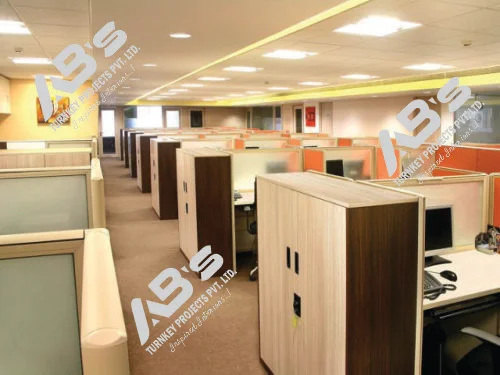
Mumbai is a city where commercial spaces need to balance functionality, aesthetics, durability, and efficient use of every square foot. Whether it is a corporate office, retail showroom, restaurant, healthcare facility, or commercial establishment, the interior design process involves multiple stages, including planning, designing, material selection, civil work, electrical work, furniture, lighting, and final installation. Managing each activity separately can become complicated and time-consuming.
This is where turnkey interior design solutions in Mumbai offer a practical approach. A turnkey interior solution generally means that one professional interior design and execution company manages the project from the initial concept through design, procurement, construction, installation, and final handover. Instead of coordinating multiple contractors, the client has a central team responsible for the complete project.
For businesses, this approach can simplify project management while helping maintain consistency between the design concept and the completed space.
What Are Turnkey Interior Design Solutions?
Turnkey interior design is a comprehensive approach in which a single service provider takes responsibility for most or all aspects of an interior project. The process typically starts with understanding the client’s requirements, budget, brand identity, functional needs, and preferred design style.
The interior team then develops concepts, layouts, 3D designs, material specifications, electrical plans, furniture requirements, and execution schedules. Once the design is approved, the same team coordinates procurement and implementation.
The objective is to provide the client with a completed, usable space without requiring them to manage every individual contractor.
For example, an office project may include:
- Space planning
- Interior design
- Civil modifications
- False ceiling
- Flooring
- Electrical work
- Lighting
- HVAC coordination
- Networking provisions
- Painting
- Glass partitions
- Reception design
- Workstations
- Storage solutions
- Conference rooms
- Pantry areas
- Branding elements
- Final installation
This integrated approach is one of the major reasons businesses consider turnkey interior design solutions in Mumbai for commercial projects.
- Single Point of Responsibility
One of the biggest benefits of turnkey interior projects is having a single point of contact.
In a conventional project, the client may have to communicate separately with an architect, civil contractor, electrician, carpenter, furniture supplier, painter, flooring contractor, and other vendors. Coordinating all these parties can consume considerable time.
With turnkey interior design solutions in Mumbai, one project team generally coordinates these different activities. The client can communicate with the project manager or designated team instead of managing numerous individual vendors.
This can make communication more organized and help reduce confusion regarding responsibilities.
If an issue occurs between two different trades, the turnkey project team can coordinate the resolution rather than expecting the client to determine which contractor should handle it.
- Better Project Coordination
Commercial interiors involve many interconnected activities. Electrical work may depend on the ceiling layout, furniture may depend on electrical points, and partitions may affect lighting and air-conditioning requirements.
A turnkey team can coordinate these activities according to the overall design.
For example, workstation locations can be finalized before electrical and networking points are installed. Similarly, lighting can be planned according to the ceiling and furniture layout.
This integrated planning can reduce unnecessary modifications during execution.
For companies looking for turnkey interior design solutions in Mumbai, coordination is particularly important because commercial properties often have strict handover schedules.
- Time-Saving for Business Owners
Business owners and management teams generally have their own operational responsibilities. Spending several hours every week coordinating interior contractors can reduce their productivity.
A turnkey solution transfers much of the coordination responsibility to the interior project team.
The client generally needs to participate in key decisions such as:
- Design approval
- Budget approval
- Material selection
- Major changes
- Final inspection
The project team can then manage day-to-day execution.
This can be particularly useful when a company is relocating to a new office and needs to start operations quickly.
- Integrated Design and Execution
Another important advantage is that the design and execution teams work together.
In some projects, an independent designer prepares the design and a separate contractor interprets and implements it. Differences between drawings and actual execution can sometimes occur.
With turnkey interior design solutions in Mumbai, design and execution are generally handled under one project structure.
The team understands the design intent while executing the project. This can help maintain consistency in:
- Colours
- Materials
- Furniture
- Lighting
- Partitions
- Branding
- Finishes
- Space planning
The result can be a more cohesive commercial environment.
- Better Budget Management
Interior projects involve numerous expenses, including materials, labour, transportation, furniture, electrical components, lighting, hardware, and installation.
Managing these expenses independently can make the overall budget difficult to monitor.
A turnkey interior company can prepare a project-level estimate covering major components of the work.
The client can discuss the budget before execution and identify areas where costs can be optimized.
For instance, businesses may choose different materials or furniture specifications depending on their budget without compromising the overall functionality of the space.
Clear documentation of inclusions and exclusions is also important because it helps the client understand what is covered within the project cost.
- Access to Multiple Interior Services
A commercial interior project often requires expertise across several disciplines. Instead of hiring separate vendors for each service, businesses can work with one turnkey provider.
Depending on the company’s capabilities, services may include:
- Interior architecture
- Office interior design
- Retail interiors
- Commercial interiors
- Civil work
- Electrical work
- False ceilings
- Flooring
- Modular partitions
- Furniture
- Lighting
- Painting
- Signage
- Branding
- Project management
This integrated service structure can make the project easier to manage.
- Customized Office Furniture
Furniture plays an important role in commercial interior design. Workstations, executive desks, conference tables, storage units, reception counters, and collaborative seating need to complement the overall design.
Businesses working with turnkey interior design solutions in Mumbai can coordinate furniture requirements with the interior design from the beginning.
For companies operating in Maharashtra, sourcing can also involve specialists such as modular office furniture manufacturers in Pune. Pune has a strong ecosystem of office furniture manufacturers and commercial interior suppliers, making it possible to explore customized workstation and storage solutions.
Furniture can be planned according to:
- Number of employees
- Available floor area
- Department requirements
- Storage needs
- Ergonomics
- Brand identity
- Expansion requirements
- Budget
Proper integration of furniture into the interior plan can improve both appearance and workplace functionality.
- Efficient Space Utilization
Mumbai commercial properties often come with significant space constraints. Every portion of the available floor area needs to be planned carefully.
Turnkey interior designers can study the available space and develop layouts that balance movement, furniture, storage, meeting areas, workstations, and common facilities.
For an office, this may involve designing:
- Reception areas
- Open workstations
- Manager cabins
- Conference rooms
- Meeting rooms
- Breakout zones
- Pantry areas
- Storage
- Server rooms
- Circulation areas
Good space planning can make a relatively compact office feel organized and functional.
- Consistent Quality Control
When several independent contractors work on a project, maintaining consistent quality can sometimes be challenging.
A turnkey contractor can establish specifications for materials, workmanship, installation, and finishing.
The project team can monitor activities such as:
- Carpentry
- Electrical installation
- Painting
- Flooring
- Ceiling work
- Furniture installation
- Glass work
- Partition installation
Regular supervision can help identify problems during execution rather than after the project is completed.
However, clients should still review the scope of work, material specifications, warranties, and quality standards before signing the contract.
- Professional Project Management
Project management is an important component of commercial interiors.
A professional project manager can coordinate schedules between different teams and track progress against the planned timeline.
For example, the project sequence may include:
Design → Approval → Procurement → Civil Work → Electrical Work → Ceiling → Flooring → Painting → Furniture → Lighting → Final Finishing → Handover
The actual sequence can vary depending on the project.
Having a structured schedule can help businesses understand what is happening at each stage.
This is especially useful for companies that have a fixed date for moving employees or starting operations.
- Reduced Vendor Coordination
Managing multiple suppliers can become one of the most challenging parts of an interior project.
Imagine a business owner having to coordinate separately with:
- Furniture suppliers
- Electrical contractors
- False ceiling contractors
- Flooring vendors
- Painters
- Glass contractors
- Carpenters
- Lighting suppliers
- Civil contractors
A turnkey provider can coordinate these vendors internally or through its project network.
This reduces the number of direct relationships the client needs to manage.
- Brand-Focused Commercial Interiors
For many businesses, an office or showroom is also an important representation of the brand.
Colours, materials, lighting, signage, furniture, reception areas, and meeting spaces can all contribute to the visual identity of the company.
A turnkey interior design company can incorporate branding requirements into the overall interior concept.
For example, a corporate office may use brand colours selectively through reception walls, signage, partitions, furniture accents, or graphics.
Retail and showroom environments can use product displays and customer circulation planning to support the business’s operational requirements.
- Better Material Coordination
Material selection affects appearance, durability, maintenance, and cost.
A turnkey team can coordinate materials across different areas of the project so that the overall design remains consistent.
Common materials include:
- Laminates
- Veneers
- Glass
- Gypsum
- Metal
- Wood-based boards
- Acoustic materials
- Vinyl flooring
- Tiles
- Carpets
- Paint
- Fabric panels
The appropriate material depends on the application, expected usage, maintenance requirements, and budget.
- Access to Experienced Commercial Designers
Commercial interiors require a different approach from residential interiors.
An office needs to support employee productivity and collaboration. A showroom needs to consider customer movement and product visibility. A restaurant needs to balance customer experience with operational requirements.
This is why businesses often research experienced top commercial interior design firms in Pune and other major cities when selecting an interior partner.
When evaluating an interior company, businesses should consider its previous commercial projects, technical capabilities, project management approach, material quality, timelines, and client references.
- Easier Communication and Decision-Making
Large interior projects involve hundreds of small decisions.
A centralized team can present important decisions to the client in a structured manner.
Instead of receiving separate requests from different contractors, the client can review consolidated information through the project team.
This can include:
- Design drawings
- Material samples
- Furniture layouts
- Electrical plans
- Cost estimates
- Project schedules
- Site progress reports
Organized communication can make decision-making easier throughout the project.
- Suitable for Different Commercial Spaces
Turnkey interiors are not limited to corporate offices.
They can be used for:
- IT offices
- Manufacturing offices
- Retail stores
- Showrooms
- Restaurants
- Cafes
- Clinics
- Hospitals
- Educational institutes
- Hotels
- Co-working spaces
- Banks
- Corporate headquarters
- Sales offices
The design approach can be customized according to the operational requirements of each business.
- Complete Handover
One of the defining characteristics of turnkey projects is the goal of handing over a completed and usable space.
At the end of the project, the client can inspect different elements before occupying the premises.
A proper handover process may include:
- Final cleaning
- Furniture installation
- Lighting installation
- Electrical checks
- Finishing inspection
- Defect identification
- Rectification
- Documentation
- Warranty information
The exact handover process depends on the contract and project scope.
How to Choose a Turnkey Interior Design Company in Mumbai
Choosing the right interior partner is an important decision because commercial interior projects involve substantial investment.
Before selecting a company offering turnkey interior design solutions in Mumbai, businesses should examine its portfolio and previous commercial projects.
Important factors include:
Experience
Check whether the company has experience with projects similar to yours.
Portfolio
Review completed offices, showrooms, retail spaces, and other commercial properties.
Scope of Work
Understand exactly what is included in the quotation.
Materials
Check brands, specifications, thicknesses, finishes, hardware, and warranties where relevant.
Project Timeline
Ask for a realistic project schedule and identify major milestones.
Cost Transparency
Make sure inclusions, exclusions, taxes, and additional-work procedures are clearly documented.
Site Supervision
Understand who will manage the site and coordinate contractors.
After-Sales Support
Ask about defect rectification, warranties, maintenance, and post-handover support.
Turnkey Interior Design vs. Multiple Contractors
The difference can be summarized simply.
| Factor | Turnkey Approach | Multiple Contractors |
| Project coordination | Centralized | Client-managed |
| Communication | Single primary contact | Multiple contacts |
| Design and execution | Usually integrated | May be separate |
| Vendor coordination | Managed by project team | Client may coordinate |
| Budget tracking | Consolidated project estimate | Multiple quotations |
| Quality monitoring | Centralized supervision | Multiple parties |
| Handover | Coordinated | May involve several vendors |
Neither approach is automatically suitable for every project. The appropriate model depends on the client’s budget, project size, internal resources, timeline, and desired level of involvement.
Conclusion
Commercial interior projects involve much more than selecting attractive furniture and wall colours. They require careful planning, technical coordination, procurement, construction, furniture installation, electrical work, finishing, and project management.
Turnkey interior design solutions in Mumbai provide businesses with an integrated way to manage these requirements through a centralized project team. The potential benefits include simplified coordination, integrated design and execution, efficient space planning, budget management, professional project supervision, customized furniture, and a coordinated handover.
Businesses should evaluate several interior companies, compare their portfolios and quotations, verify project specifications, and understand contractual terms before making a decision.
For organizations considering commercial interiors in Maharashtra, it can also be useful to research established modular office furniture manufacturers in Pune and experienced top commercial interior design firms in Pune to understand available furniture, design, and execution options.
Ultimately, a successful turnkey interior project depends on clear requirements, realistic budgeting, quality materials, professional execution, transparent communication, and effective project management. When these elements are properly coordinated, a commercial space can become more functional, visually consistent, and suitable for the long-term needs of the business.