A conference room is an important part of any modern office. It is where teams come together to discuss ideas, meet clients, review projects, solve problems, and make important business decisions. Because so much happens in this space, the furniture you choose can have a real impact on how comfortable and productive the room feels.
Among all the furniture in a conference room, the conference table is usually the centre of attention. It needs to look professional, but appearance is only one part of the decision. The table should also fit the room properly, provide enough space for everyone, support modern technology, and match the overall office interior.
With so many designs, sizes, materials, and shapes available, selecting the right conference table can be challenging. Working with experienced conference table manufacturers in Pune can make the process easier, especially when you need a customised table that suits your office layout, seating capacity, and budget.
- Start With the Size of the Conference Room
Before looking at designs or finishes, measure your conference room. The size of the room should be the starting point for selecting a table.
A common mistake is choosing a table that is too large for the available space. While a large table may look impressive, it can make the room feel crowded and leave little space for people to move around.
Make sure there is sufficient space around the table for chairs, walking areas, doors, cabinets, and other furniture. People should be able to sit down and move around comfortably without bumping into walls or other objects.
For smaller meeting rooms, compact rectangular, round, or boat-shaped tables may work well. Larger boardrooms can accommodate bigger rectangular, oval, or modular designs.
- Decide How Many People Need to Sit at the Table
The number of people who regularly attend meetings is another important consideration.
A small team may only need a table for four to six people, while a larger organisation may need seating for ten, fifteen, or even twenty people.
Think about the usual number of participants rather than choosing a table only for occasional large meetings. Every person should have enough room for a laptop, documents, a notebook, and other items.
You can generally find conference tables designed for:
- 4 to 6 people
- 6 to 8 people
- 8 to 10 people
- 10 to 12 people
- 12 to 16 people
- 16 or more people
The ideal size is one that provides comfortable seating without unnecessarily occupying valuable office space.
- Choose a Table Shape That Suits the Room
The shape of the table can change both the appearance and functionality of a conference room.
Rectangular Tables
Rectangular conference tables are a traditional choice for corporate offices and boardrooms. They provide plenty of workspace and work particularly well in larger rooms.
Oval Tables
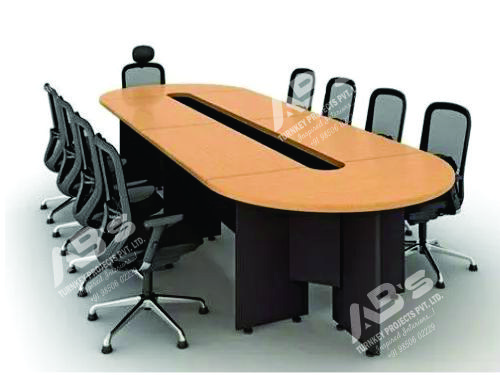
Oval tables have rounded ends, giving the room a softer and more welcoming appearance. They are also useful when you want participants to have a clearer view of one another.
Boat-Shaped Tables
Boat-shaped tables are wider in the centre and narrower at the ends. They offer additional workspace while maintaining a stylish and professional appearance.
Round Tables
Round tables are particularly suitable for small meeting rooms and informal discussions. Since there is no defined head of the table, they can create a more collaborative atmosphere.
Modular Tables
Modular conference tables are useful when the office needs flexibility. Different sections can be rearranged or combined depending on the type of meeting being conducted.
- Select the Right Material
The material of the conference table affects its appearance, durability, maintenance, and cost.
Popular options include plywood, MDF, engineered wood, laminate, veneer, glass, metal, and combinations of different materials.
For a busy office, a durable laminate surface can be a practical choice because it is relatively easy to clean and maintain. Veneer can give the table a premium wood appearance, while glass can create a modern and lightweight visual effect.
The material should also match the rest of your office. A contemporary workplace may look better with a simple table featuring clean lines, while a traditional corporate boardroom may suit a rich wood finish.
- Don’t Forget About Comfort
Conference meetings can sometimes continue for several hours, so comfort is extremely important.
The height of the table should be compatible with the chairs. Participants should have sufficient legroom underneath and enough personal space around their seating position.
Avoid tables with bulky structures underneath that restrict leg movement.
It is also a good idea to select the conference table and chairs together. This allows you to check whether the height, seating position, and overall proportions work properly.
- Think About Technology From the Beginning
Today’s conference rooms are no longer just spaces for face-to-face discussions. Video calls, presentations, laptops, projectors, displays, microphones, and charging devices are part of everyday business meetings.
Therefore, technology integration should be considered while selecting the table.
Useful features can include:
- Cable management
- Electrical sockets
- USB charging ports
- Data connections
- HDMI connections
- Pop-up power modules
- Microphone connections
- Concealed cable channels
Good cable management keeps wires organised and prevents the table from looking messy. It also makes it easier for employees to connect their devices during meetings.
- Make Sure the Table Matches Your Office Furniture
A conference table should look like part of the office rather than a separate piece of furniture.
Consider the colour, finish, shape, and overall style of your existing workstations, storage cabinets, reception furniture, and executive desks.
For example, a minimalist office may benefit from a simple table with a clean finish. A premium corporate office may require a more sophisticated design.
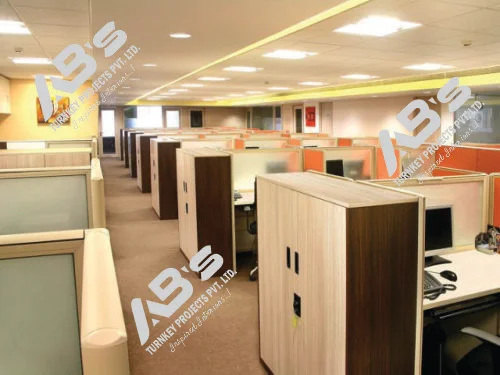
This is one area where modular office furniture manufacturers in Pune can be helpful. They can provide coordinated furniture solutions so that workstations, conference tables, storage units, and other office furniture have a consistent design.
- Consider Your Company’s Brand Image
The conference room is often one of the places where clients, partners, and visitors spend time. Its appearance can therefore contribute to the overall impression of your business.
A professionally designed conference table can make the room feel organised and welcoming.
You can select colours and finishes that complement your company’s branding. Natural wood, white, grey, black, and neutral combinations are commonly suitable for professional environments.
The goal is not to make the room overly decorative. Instead, the furniture should reflect the company’s personality while maintaining a professional appearance.
- Look at the Complete Room Layout
Don’t select a table without considering everything else in the room.
Look at the position of:
- Doors
- Windows
- Display screens
- Projectors
- Whiteboards
- Cabinets
- Air-conditioning units
- Electrical outlets
- Lighting fixtures
Everyone sitting at the table should have a comfortable view of the presentation screen.
If the room will be used for video conferencing, the position of cameras and displays should also be considered. The table should allow participants to remain clearly visible during online meetings.
- Decide Between a Fixed and Modular Table
A fixed conference table can be a good choice when the room has one permanent purpose and the layout is unlikely to change.
However, modular tables offer greater flexibility. They can be rearranged when the office needs to accommodate different types of meetings.
For example, a management meeting may require one arrangement, while a training session or workshop may require another. Modular furniture can make these changes easier.
If you are planning a complete office setup, discuss these requirements with conference table manufacturers in Pune so that the table design can be planned according to how the room will actually be used.
- Pay Attention to Durability
Conference tables are used regularly, so durability should be a major consideration.
Before buying, look at the quality of:
- Tabletop construction
- Edge finishing
- Surface material
- Frame
- Hardware
- Joints
- Scratch resistance
- Overall stability
A low-cost table may initially seem attractive, but poor construction can result in damaged edges, loose fittings, unstable frames, or surface problems over time.
Instead of considering only the initial price, think about how well the table will perform over several years.
- Consider How Easy It Is to Maintain
Office furniture is exposed to dust, fingerprints, food, beverages, and regular daily use. The conference table should therefore be easy to clean.
Smooth, durable surfaces are generally easier to maintain. If the conference room is regularly used for client meetings, choosing a material that continues to look clean and professional with basic maintenance can be especially useful.
Ask the supplier about the recommended cleaning method for the selected material before making your decision.
- Plan Storage Carefully
Some conference rooms need additional space for stationery, documents, presentation accessories, or equipment.
Instead of putting large storage units directly under the table, consider side cabinets or credenzas. This keeps the area underneath the table open and provides better legroom.
For larger boardrooms, a matching storage cabinet can also help maintain a consistent appearance throughout the room.
- Choose the Correct Table Height
Table height is another detail that should not be overlooked.
Traditional conference tables are generally designed for standard office chairs. However, collaborative spaces may sometimes use taller tables with high stools or standing arrangements.
Think about how the room will be used and select the table height accordingly.
The table and chairs should work together comfortably. Employees should be able to sit for extended meetings without feeling restricted.
- Look at the Edge Design
The edge of the table may seem like a minor design detail, but it can make a difference in both appearance and comfort.
Rounded edges can create a softer appearance and reduce the impact of sharp corners. Straight edges, on the other hand, can provide a more modern and structured look.
If employees frequently move around the table, properly finished edges can also improve everyday usability.
- Consider a Custom Conference Table
Not every conference room has a standard layout. Sometimes a ready-made table simply does not fit the available space.
In such situations, a custom conference table can be a practical option.
A customised table can be designed according to specific room dimensions, seating capacity, technology requirements, and interior style.
Customisation may include:
- Specific dimensions
- Custom shapes
- Special finishes
- Built-in cable management
- Power modules
- Branding elements
- Matching furniture
- Integrated storage
Experienced conference table manufacturers in Pune can help create a table that is designed specifically around the requirements of your office.
- Keep Future Growth in Mind
Office requirements can change over time. Your business may grow, more employees may join, and meetings may involve larger teams.
Think about these possibilities before purchasing the table.
At the same time, don’t buy a very large table simply because your company might grow someday. An oversized table can waste space and make a smaller conference room uncomfortable.
The best approach is to consider your current requirements while keeping realistic future needs in mind.
- Get Professional Interior Design Advice
A conference table should be selected as part of the overall office design.
Professional interior designers can assess the room dimensions, workflow, furniture requirements, lighting, electrical planning, flooring, partitions, and technology before finalising the furniture.
If you are renovating or setting up an entire office, working with top commercial interior design firms in Pune can help ensure that the conference room fits naturally into the overall workplace design.
This also helps avoid common problems such as selecting furniture that is too large, blocking walkways, or failing to provide sufficient electrical and technology connections.
- Compare Quality Before Comparing Prices
Budget is obviously important, but the cheapest conference table is not necessarily the most suitable option.
When comparing different products, look at the complete value rather than just the price.
Consider:
- Material quality
- Construction
- Design
- Dimensions
- Surface finish
- Durability
- Technology features
- Warranty
- Installation
- Customisation
Ask suppliers to clearly explain what is included in the quoted price. This makes it easier to compare different options fairly.
- Check Delivery, Installation, and After-Sales Support
Large conference tables can be difficult to transport and assemble. Before placing an order, ask whether delivery and installation are included.
Professional installation can ensure that the table is assembled correctly and positioned safely.
It is also worth checking the warranty, maintenance support, and after-sales service offered by the supplier.
A reliable supplier should be able to assist you even after the furniture has been installed.
A Simple Conference Table Selection Checklist
Before making the final decision, ask yourself these questions:
- What is the size of the conference room?
- How many people normally attend meetings?
- Which table shape works best for the available space?
- Which material suits the office design?
- Do you need built-in technology features?
- Does everyone have enough personal workspace?
- Does the table match the existing furniture?
- Is the construction strong enough for daily use?
- Do you need a customised design?
- Does the supplier provide installation and after-sales support?
If you can answer these questions clearly, choosing the right conference table becomes much easier.
Why Choosing the Right Conference Table Matters
A conference table is much more than a piece of furniture placed in a meeting room. It becomes part of the environment where employees exchange ideas, managers make decisions, and businesses meet clients.
A well-selected table can make meetings more comfortable, improve the organisation of technology, enhance the appearance of the room, and make better use of the available space.
Whether you need a compact table for a small meeting room or a large boardroom table for senior management, the decision should be based on practical requirements as well as appearance.
Working with experienced modular office furniture manufacturers in Pune can also help you create a coordinated furniture setup instead of purchasing individual pieces that do not match.
Similarly, top commercial interior design firms in Pune can help integrate the conference room with the rest of the office, including furniture, lighting, flooring, partitions, technology, and branding.
Conclusion
Choosing the perfect conference table involves more than picking a design that looks good. The table needs to fit the room, provide comfortable seating, offer enough workspace, support modern technology, match the office interiors, and remain durable with regular use.
Start by measuring your conference room and deciding how many people need to use the table. From there, consider the shape, material, height, finish, technology requirements, maintenance, and budget.
If you need a customised solution, experienced conference table manufacturers in Pune can help you select or design a table according to your office requirements. Working alongside modular office furniture manufacturers in Pune and top commercial interior design firms in Pune can also help create a complete conference room that looks professional and works efficiently.
Ultimately, the right conference table is one that fits the way your business works. It should provide a comfortable place for employees to collaborate, give clients a positive impression, and become a practical part of your office for many years to come.