
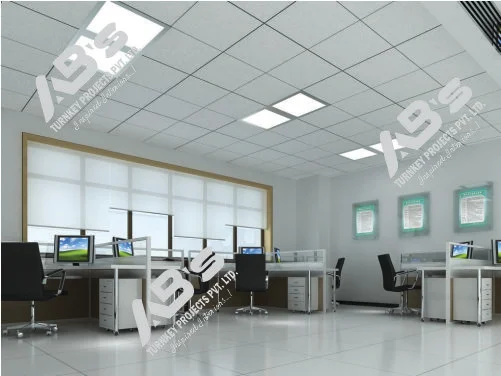
When we think about office interiors, we usually focus on furniture, workstations, flooring, partitions, and lighting. However, the ceiling is equally important. A well-designed false ceiling can completely change the look and feel of an office while also helping with practical requirements such as lighting, air-conditioning, electrical wiring, and sound control.
There are several types of false ceilings available for commercial offices today. The right option depends on factors such as the size of the office, ceiling height, interior theme, budget, maintenance requirements, and how the space will be used.
If you are setting up a new office or renovating an existing one, professional false ceiling service for office space in Pune can help you select the right ceiling system for your requirements. From simple gypsum ceilings to modern metal, wooden, acoustic, and designer ceilings, there are plenty of options to explore.
- Gypsum False Ceiling
Gypsum false ceilings are a popular choice for modern offices because they offer a clean and seamless appearance. Gypsum boards are relatively lightweight and can be shaped into different designs depending on the requirements of the space.
One of their biggest advantages is the smooth finish they provide. The ceiling can be painted in almost any colour to match the office interiors.
Gypsum is also suitable for recessed lights, LED strips, cove lighting, and other decorative lighting arrangements. It works particularly well when you want a simple, modern ceiling without visible joints or complicated patterns.
- Mineral Fibre False Ceiling
Mineral fibre ceilings are commonly found in offices where sound control and easy maintenance are important.
These ceilings usually consist of individual tiles fitted into a grid framework. One practical advantage is that individual tiles can be removed when access is needed to electrical wiring, air-conditioning ducts, networking cables, or other services above the ceiling.
Mineral fibre ceilings can be a good choice for open-plan offices, meeting rooms, call centres, and other workplaces where controlling noise is important.
- Metal False Ceiling
Metal ceilings are known for their durability and contemporary appearance. Aluminium and galvanised steel are commonly used for commercial applications.
They are available in different colours, finishes, patterns, and panel designs. Metal ceilings can also be coordinated with lighting, air-conditioning, and ventilation systems.
For offices that require a strong and long-lasting ceiling solution with a modern appearance, metal ceilings can be worth considering.
- PVC False Ceiling
PVC ceilings are lightweight and offer good resistance to moisture. They are available in a variety of colours, textures, and patterns.
Although PVC ceilings are widely used in residential spaces, they can also be suitable for specific commercial areas where easy cleaning and moisture resistance are important.
However, PVC should not be selected only because it is economical. The material should be suitable for the office environment and should complement the overall interior design.
- Wooden False Ceiling
Wood can give an office a warm, elegant, and premium appearance. Wooden ceilings are particularly suitable for executive cabins, reception areas, conference rooms, boardrooms, and premium commercial spaces.
Wood can be used in different forms, including panels, strips, grids, and decorative patterns. Depending on the finish, it can give the office either a traditional or contemporary appearance.
The main consideration is cost and maintenance. Wooden ceilings can be more expensive than some other options, so they are often used selectively in important areas rather than throughout the entire office.
- Glass False Ceiling
Glass can be used as part of a feature ceiling to create a distinctive and contemporary appearance. When combined with suitable lighting, glass elements can create an attractive visual effect.
This type of design is generally more appropriate for reception areas, premium meeting rooms, showrooms, and other feature spaces rather than standard workstations.
Safety should always be a priority when using glass. The type and thickness of the glass, supporting structure, and installation method should be carefully planned by professionals.
- Open Grid False Ceiling
Open grid ceilings feature a visible framework that creates a structured pattern across the ceiling. They are often used in modern commercial and creative environments.
One of the advantages of this design is that it can provide a distinctive appearance while allowing lighting, ventilation, and other services to remain relatively accessible.
Open grid ceilings can work well in modern offices, studios, retail spaces, creative workplaces, and other areas where an exposed or industrial-inspired design is preferred.
- Acoustic False Ceiling
Noise can become a major concern in open offices. Employees may need to concentrate while conversations, phone calls, online meetings, and group discussions are happening around them.
Acoustic false ceilings are designed to help manage sound within the office. They can reduce sound reflection and contribute to a more comfortable working environment.
They are particularly useful in open workspaces, meeting rooms, collaborative areas, call centres, and other locations where noise control is important.
- Baffle Ceiling
Baffle ceilings use suspended vertical elements arranged at regular intervals. Besides creating an interesting visual effect, they can also contribute to acoustic treatment.
Baffles are available in different colours, sizes, shapes, and finishes. Lighting and ventilation elements can be incorporated into the overall design.
This type of ceiling is particularly suitable for offices where the ceiling is intended to become a noticeable design feature rather than simply a functional surface.
- Coffered False Ceiling
A coffered ceiling consists of recessed panels arranged in a geometric pattern. It can add a sophisticated and premium touch to spaces such as executive offices, boardrooms, reception areas, and conference rooms.
Coffered designs can be created using materials such as gypsum or wood. Recessed lights or indirect lighting can be added to highlight the different sections of the ceiling.
This option is generally more decorative than a standard flat ceiling and works best when the office design calls for a more refined appearance.
- Floating or Suspended Feature Ceiling
A floating ceiling creates the visual impression that a section of the ceiling is suspended below the main ceiling. LED lighting can be installed around the edges to create a soft floating effect.
This type of design can be used to highlight specific areas such as reception counters, waiting areas, meeting zones, or collaborative spaces.
A floating ceiling can also help give an office a distinct visual identity when it is carefully integrated with the company’s branding and interior theme.
How to Choose the Right False Ceiling for Your Office
Selecting a false ceiling is not simply a matter of choosing the design you like most. The ceiling also needs to work with the practical requirements of the office.
Consider the Available Ceiling Height
A false ceiling reduces the available height of the room. If your office already has a relatively low ceiling, an elaborate or bulky design may make the space feel smaller.
Before finalising the design, check how much space is required for lighting, wiring, air-conditioning ducts, and other services.
Plan the Lighting Along With the Ceiling
The ceiling and lighting should be planned together. Recessed lights, pendant lights, spotlights, LED strips, and cove lighting can all affect the ceiling design.
Planning them together helps avoid awkward light positions and unnecessary changes during installation.
Think About Future Maintenance
A lot of infrastructure can be hidden above a false ceiling, including electrical cables, networking systems, air-conditioning ducts, and other services.
Therefore, it is important to choose a ceiling system that provides reasonable access for future maintenance.
Consider Acoustic Requirements
Different areas of an office have different acoustic requirements. An open workspace may need more sound control than a private cabin.
If noise is a concern, consider acoustic ceiling materials or designs that can help create a quieter working environment.
Match the Office Interior
The ceiling should complement the rest of the office. Furniture, flooring, partitions, wall colours, lighting, and ceiling finishes should work together.
This is where interior design for commercial spaces in Pune can make a difference. A professional interior design team can plan the ceiling as part of the complete office rather than treating it as a separate element.
Why Professional Installation Matters
The quality of a false ceiling depends not only on the material but also on how it is installed.
Accurate measurements, proper support, electrical planning, lighting coordination, and good finishing are all important. Poor installation can result in uneven surfaces, cracks, alignment problems, or difficulties during maintenance.
Professional office false ceiling services in pune can handle the process from material selection and layout planning to installation and final finishing.
Experienced professionals can also identify possible problems before the work begins, such as insufficient ceiling height, conflicts between lighting and air-conditioning ducts, or a lack of access for future maintenance.
False Ceilings and Energy-Efficient Office Design
A properly planned ceiling can also contribute to a more efficient workplace.
Lighting can be positioned according to workstations and activity zones, while air-conditioning outlets can be coordinated with the ceiling layout. LED lighting can also be incorporated to provide effective illumination with lower energy consumption compared with older lighting technologies.
The aim should be to create a ceiling that is attractive while also supporting the practical needs of the office.
Conclusion
False ceilings have become an important part of modern office design. They can improve the appearance of a workplace while providing practical benefits such as organised lighting, concealed wiring, air-conditioning integration, and improved acoustic comfort.
Gypsum, mineral fibre, metal, PVC, wood, glass, open grid, acoustic, baffle, coffered, and floating ceilings all offer different advantages. The right choice depends on the size of the office, available ceiling height, budget, maintenance needs, lighting requirements, acoustic expectations, and overall design theme.
If you are planning a new office or renovating an existing workplace, a professional false ceiling service for office space in Pune can help you choose a suitable material and design. Experienced office false ceiling services in pune providers can also ensure that the ceiling is installed properly and finished to a high standard.
Most importantly, the ceiling should be planned along with the rest of the office. By coordinating it with furniture, lighting, partitions, flooring, and other interior elements through professional interior design for commercial spaces in Pune, you can create a workplace that looks modern, feels comfortable, and supports the everyday needs of your employees and visitors.

