A well-designed office is more than a place where employees sit and complete their daily tasks. It is an environment that supports productivity, teamwork, comfort, and business operations. Furniture plays an important role in creating such a workspace. From workstations and office chairs to conference tables and storage units, every furniture item should serve a clear purpose. Businesses planning new offices or renovating existing spaces need to consider functionality, durability, available space, and employee requirements. Choosing complete office furniture solutions helps organisations create organised workplaces where different furniture elements work together effectively.
Pune has developed into an important business centre with IT companies, manufacturing units, educational institutions, startups, and corporate offices. As workplaces continue to change, businesses require furniture that supports different working styles. Understanding furniture types, materials, layouts, and selection factors can help organisations make practical decisions.
1. Understanding Complete Office Furniture Solutions
Office furniture includes all the essential products required to make a workplace functional. It covers individual workstations, executive desks, chairs, conference tables, reception furniture, storage cabinets, partitions, and collaborative seating.
The purpose of complete office furniture solutions is to bring these elements together according to the organisation’s requirements. Instead of selecting every item without considering the overall layout, businesses can plan furniture based on office size, employee strength, departments, and daily activities.
For example, an open-plan office may need shared workstations, ergonomic chairs, and storage units. A corporate office with multiple departments may require private cabins, meeting rooms, reception counters, and collaborative spaces. Each area has different furniture needs, so planning should begin with an understanding of how the office will operate.
2. Choosing the Right Office Workstations
Workstations are among the most frequently used furniture elements in an office. Employees spend a significant part of their working day at their desks, making workstation design important for comfort and productivity.
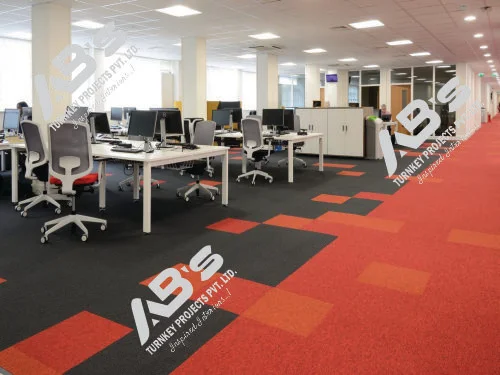
Before selecting workstations, businesses should consider the number of employees, available floor space, computer requirements, storage needs, and department structure. Individual desks may be suitable for smaller offices, while modular workstation systems can help larger organisations use floor space efficiently.
Modular workstations are available in different configurations, including straight desks, L-shaped units, shared desk arrangements, and cubicle systems. Their layouts can be adjusted according to changing employee requirements.
3. Importance of Ergonomic Office Chairs
Office chairs directly influence employee comfort because they are used for extended periods. An unsuitable chair can cause discomfort and make it difficult for employees to maintain a comfortable sitting position.
Businesses comparing office chair manufacturers in Pune should understand the features that contribute to ergonomic seating. Important features include adjustable seat height, suitable back support, comfortable cushioning, stable bases, and smooth movement.
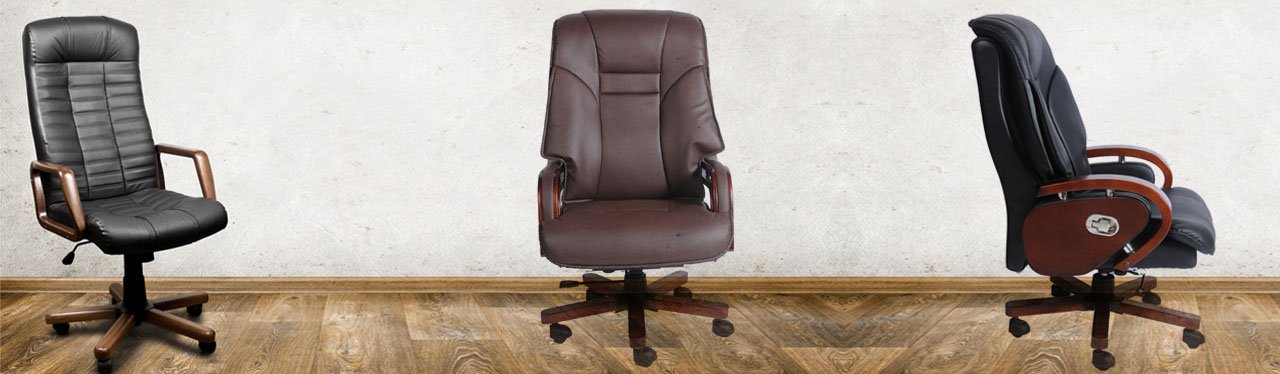
Different employees may require different chair designs. Task chairs are commonly used at workstations, while executive chairs may be selected for cabins and management areas. Visitor chairs are generally placed in reception spaces and meeting rooms.
A good office chair should support the user’s posture without restricting natural movement. Adjustable features are useful because employees have different heights and sitting preferences. Fabric, mesh, and other upholstery materials should also be considered according to ventilation, maintenance, and expected usage.
4. Planning Conference and Meeting Rooms
Conference rooms are important spaces for discussions, presentations, interviews, client meetings, and team planning. Furniture in these rooms should support communication and allow participants to sit comfortably.
The conference table is usually the central furniture element. Its size and shape should match the room dimensions and the expected number of participants. Rectangular tables are commonly used in formal meeting rooms, while round and oval tables can support more collaborative discussions.
Businesses researching conference table manufacturers in Pune should consider table dimensions, construction materials, surface finish, cable access, and seating arrangements. The table should provide enough space for laptops, documents, presentation equipment, and other meeting essentials.
Meeting room chairs should offer comfortable seating and sufficient movement space. The layout must also allow participants to enter and leave their seats without disturbing others.
5. Storage Furniture for an Organised Workplace
Storage furniture helps offices manage documents, stationery, equipment, files, and personal belongings. Without suitable storage, work areas can become cluttered and difficult to maintain.
Common office storage options include filing cabinets, pedestal units, cupboards, shelves, lockers, and overhead storage systems. The selection depends on the type of materials stored and how frequently employees need access to them.
Filing cabinets are useful for maintaining physical records, while open shelves can hold reference materials and frequently used items. Lockable cabinets may be required for confidential documents and office equipment.
6. Reception and Visitor Area Furniture
The reception area creates the first impression for visitors, clients, candidates, and business partners. Its furniture should be practical, comfortable, and suitable for the organisation’s workplace design.
A reception area generally includes a reception desk, visitor seating, small tables, and storage for documents or office supplies. The reception desk should provide enough working space for staff members and accommodate computers, telephones, and other necessary equipment.
Visitor chairs should be comfortable and arranged without blocking entrances or walking paths. The number of seats should reflect the expected visitor flow.
The furniture design should also match the overall office environment. Consistent materials, colours, and finishes can create a coordinated appearance without making the reception area unnecessarily crowded.
7. Understanding Commercial Furniture Requirements
Commercial offices have different furniture requirements depending on their size, industry, employee strength, and operational activities. A small consulting office may need basic desks and visitor seating, while a large corporate workplace may require multiple workstations, meeting rooms, storage systems, and collaborative areas.
Businesses exploring commercial furniture manufacturers in Pune should assess their requirements before selecting furniture. Product quality, material strength, dimensions, finish, installation requirements, and long-term maintenance are important considerations.
Commercial furniture is generally expected to withstand regular use. Therefore, construction quality and the suitability of materials should be evaluated carefully. Furniture used in high-traffic areas may require stronger surfaces and durable fittings.
8. Office Partitions and Space Management
Office partitions help divide a large floor area into separate functional zones. They can be used to create cabins, meeting rooms, focused work areas, and collaborative spaces.
Different partition options include glass partitions, modular panels, and other partition systems. Glass partitions allow natural light to move through the workplace and create a more open appearance. Solid partitions can provide greater visual privacy in selected areas.
The choice depends on the level of privacy, sound control, available space, and workplace activities. Businesses should also consider access points, ventilation, lighting, and employee movement when planning partitions.
9. Office Pods and Collaborative Spaces
Modern workplaces often include spaces for private calls, focused tasks, small discussions, and informal collaboration. Office pods can provide separate areas for activities that require more privacy than an open workstation offers.
These units may be used for video calls, individual work, interviews, or short meetings. Their size and features depend on the intended purpose and available floor area.
Collaborative spaces may include shared tables, lounge seating, and informal discussion areas. These spaces support interaction between employees and provide alternatives to traditional meeting rooms.
10. Selecting Suitable Furniture Materials
Material selection affects furniture durability, appearance, maintenance, and suitability for daily use. Different materials are used for office desks, chairs, cabinets, partitions, and meeting tables.
Engineered wood products are commonly used for desks, storage units, and modular furniture. Metal frames can provide structural support for workstations and shelving systems. Glass may be used for partitions and selected table surfaces.
Upholstery materials also require attention. Mesh can support airflow in office chairs, while fabric and other finishes offer different levels of comfort and maintenance requirements.
Before selecting materials, businesses should consider expected usage, cleaning requirements, environmental conditions, and product construction. Edges, joints, hinges, handles, and fittings should also be checked because these components affect everyday performance.
11. Flooring, Ceilings, and Furniture Coordination
Furniture does not operate separately from the rest of the office interior. Flooring, ceilings, lighting, partitions, and furniture placement collectively influence the workplace environment.
Office carpets can help define work areas and contribute to a comfortable indoor setting. Ceiling systems may support lighting arrangements and help organise building services. These elements should be planned alongside furniture to maintain consistency.
For example, workstation placement should consider the position of electrical points and overhead lighting. Conference tables should be positioned so that participants have sufficient light and access to presentation equipment.
12. Space Planning Before Furniture Selection
Space planning should happen before finalising furniture purchases. Organisations should measure the office area and identify the number of employees, departments, meeting spaces, storage requirements, and visitor areas.
A floor plan helps determine where desks, chairs, cabinets, partitions, and other furniture items should be placed. It also helps maintain suitable walking paths and access to doors, windows, and emergency exits.
Businesses should avoid selecting oversized furniture simply because it looks attractive. Every item should fit the available space and support the intended activity.
13. Technology and Modern Workplace Furniture
Technology has become an essential part of daily office operations. Employees use computers, monitors, charging devices, video conferencing equipment, and communication systems throughout the working day.
Furniture should support these requirements through practical cable management, accessible power points, monitor placement, and suitable desk dimensions. Meeting tables may need integrated connections for presentation systems and video conferencing equipment.
Height-adjustable desks are another option for workplaces that want to provide employees with the flexibility to change working positions. Their suitability depends on employee needs, budget planning, and office policies.
14. Maintenance and Long-Term Furniture Planning
Office furniture requires regular maintenance to remain safe, functional, and presentable. Cleaning schedules should match the materials used in desks, chairs, cabinets, and partitions.
Loose screws, damaged fittings, unstable table legs, and worn chair components should be inspected periodically. Office chairs may require checks of wheels, adjustment mechanisms, and back support. Storage cabinets should be checked for functioning hinges and locks.
Businesses should also maintain basic records of furniture purchases, warranties, repairs, and replacements. This information can support future planning and help identify products that require frequent maintenance.
15. Factors to Consider When Selecting Office Furniture
Before finalising furniture for a new or existing office, organisations should evaluate several practical factors.
First, identify the purpose of each office area. Workstations, meeting rooms, reception spaces, and storage areas have different requirements.
Second, measure the available space and prepare a layout. This helps prevent overcrowding and ensures that employees can move comfortably.
Third, compare materials and construction quality. Furniture should be suitable for the frequency and type of use expected.
Fourth, consider employee comfort and ergonomics. Chairs, desks, and work surfaces should support daily activities.
Conclusion
Planning an office requires careful attention to furniture, space, employee comfort, technology, and daily operations. Workstations, ergonomic chairs, conference tables, storage units, partitions, and reception furniture each contribute to the overall functionality of a workplace. Understanding the available options helps organisations make informed decisions based on their actual requirements.
Businesses comparing office chair manufacturers in Pune, conference table manufacturers in Pune, and commercial furniture manufacturers in Pune should evaluate product quality, materials, dimensions, construction, and long-term usability. A well-planned approach to complete office furniture solutions can create an organised, comfortable, and adaptable working environment.