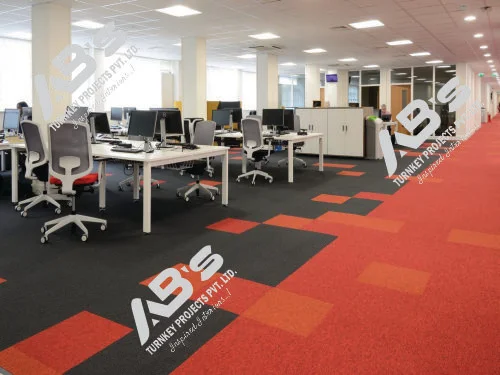
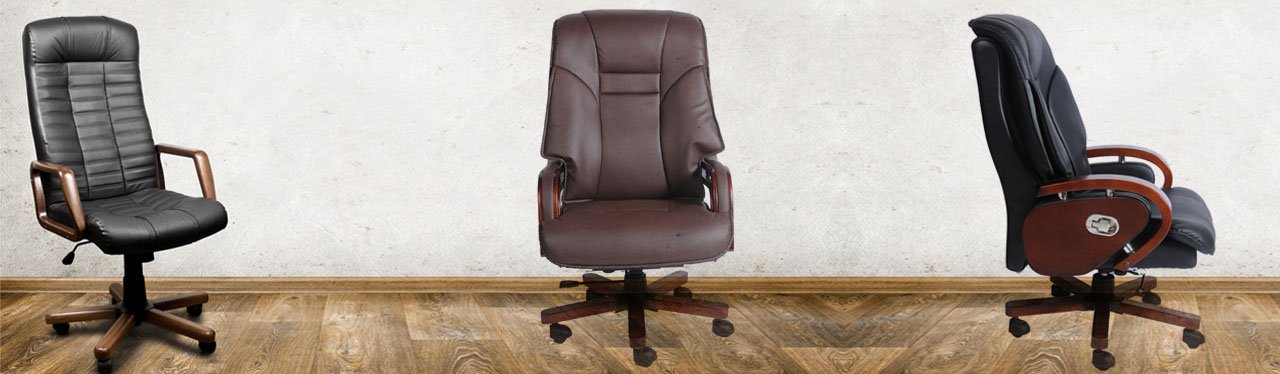
A well planned office requires furniture that supports productivity, employee comfort and efficient use of available space. AB’s Turnkey Projects Private Limited, established in 2021, operates in commercial interior design and office furniture, offering products such as workstations, desks, office pods, storage systems, partitions and conference furniture. Understanding the role of modular office furniture manufacturers in Pune can help businesses make informed decisions when creating practical and adaptable workplaces.
Modern offices require furniture that accommodates different working styles, changing team sizes and technological requirements. A suitable furniture arrangement should support everyday activities while maintaining a comfortable and organized environment.
Modular furniture provides flexibility because its components can be rearranged, expanded or replaced when requirements change. However, selecting an appropriate system involves evaluating the office layout, materials, ergonomics, durability, maintenance and installation.
What Is Modular Office Furniture?
Modular office furniture consists of individual components designed to function together as a coordinated system. These components may include desks, workstations, storage cabinets, partitions, meeting tables and accessories.
Unlike conventional furniture designed for one fixed arrangement, modular furniture can be adjusted according to workplace requirements. Businesses can introduce additional components, relocate existing units or modify layouts without necessarily replacing the entire furniture system.
For example, a small organization may initially require several workstations. As its workforce grows, additional desks and storage units can be introduced if sufficient space and infrastructure are available.
Modular furniture is commonly used in corporate offices, educational institutions, coworking spaces, administrative facilities and growing businesses.
Benefits of Modular Furniture for Modern Workplaces
Efficient Space Utilization
Office space must accommodate employees, equipment, storage, meeting areas and movement between departments.
Poor furniture planning can create overcrowded workstations or leave valuable areas unused. Modular furniture allows businesses to arrange desks and storage according to available floor dimensions.
Compact workstations, shared desks and integrated storage can help improve space utilization without compromising essential functions.
A carefully planned layout can also provide clear movement routes and reduce unnecessary obstacles.
Flexibility for Business Growth
Business requirements frequently change because of recruitment, departmental restructuring, hybrid working arrangements or expansion.
Modular systems make it easier to respond to these changes. Additional workstations can be introduced, existing desks can be rearranged and storage units can be relocated.
This flexibility can reduce the need for complete furniture replacement whenever the workplace layout changes.
Improved Workplace Organization
An organized workspace helps employees manage documents, equipment and everyday supplies.
Modular storage units, filing cabinets and shelves can provide designated places for frequently used materials.
Integrated cable management can also reduce clutter around computer workstations and improve the overall appearance of the office.
A suitable arrangement should make frequently accessed items convenient to reach without obstructing the working area.
Consistent Office Appearance
A coordinated furniture system can create visual consistency throughout the workplace.
Matching finishes, desk designs and storage units can establish a professional appearance while allowing different departments to maintain their individual requirements.
Types of Modular Office Furniture
Modular Workstations
Workstations provide individual or shared working areas for employees.
They may include desks, privacy screens, storage compartments and cable management features.
Different configurations are suitable for individual tasks, collaborative teams and departments requiring frequent communication.
Before selecting workstations, businesses should consider employee numbers, equipment requirements, desk dimensions and available movement space.
Office Desks and Tables
Desks and tables support a wide range of workplace activities.
Computer desks provide working surfaces for monitors, keyboards and accessories. Executive desks may include additional storage, while conference tables accommodate meetings and discussions.
Reception tables serve visitor-facing functions and may require space for documents, computers and communication equipment.
Each type should be selected according to its intended use and the available office area.
Storage Systems
Office storage includes cabinets, drawers, shelving units and filing systems.
These products help organize documents, stationery, equipment and other workplace materials.
The choice between open and enclosed storage depends on accessibility, security and the nature of the items being stored.
Storage planning should also consider future requirements and the volume of materials employees need to maintain.
Partitions and Office Pods
Partitions help define work areas without constructing permanent walls.
They can separate departments, provide privacy or establish distinct zones within an open office.
Office pods may provide enclosed spaces for confidential conversations, focused work or virtual meetings.
Their placement should consider ventilation, acoustics, accessibility and available floor area.
Factors to Consider Before Selecting Office Furniture
Understand the Office Layout
Furniture planning should begin with accurate measurements of the office.
Businesses should identify the location of doors, windows, electrical points, structural columns and existing infrastructure.
A floor plan can help determine suitable furniture dimensions and identify potential installation challenges.
Movement routes should remain clear, and employees should have sufficient space to use furniture comfortably.
The layout should also consider the location of shared equipment, meeting rooms and storage areas.
Select Appropriate Materials
Furniture materials influence durability, appearance, maintenance and overall suitability.
Common materials include engineered wood, laminates, metal, glass and solid wood.
Engineered wood with laminate finishes is frequently used for desks and storage because it offers different surface designs and relatively straightforward maintenance.
Metal components can provide structural support, while glass may create a lighter visual appearance.
Material selection should reflect expected usage, environmental conditions and maintenance requirements.
Evaluate Furniture Dimensions
Furniture dimensions should match employee activities and available space.
A desk that is too small may not accommodate essential equipment, while oversized furniture can restrict movement.
Businesses should evaluate desk width, depth, height and storage capacity before finalizing specifications.
The selected furniture should accommodate computers, monitors, documents and other equipment used during everyday work.
Consider Ergonomics
Ergonomics focuses on arranging furniture and equipment to support comfortable working positions.
An appropriate workstation should allow employees to maintain a comfortable posture while performing their tasks.
Important considerations include chair adjustment, desk height, monitor placement, keyboard positioning and legroom.
Different employees may have different requirements, making adjustable furniture useful in certain environments.
Ergonomic planning should also consider work habits and the duration of desk-based activities.
Examine Durability and Maintenance
Office furniture experiences repeated daily use.
Businesses should examine construction quality, joints, hardware, surface finishes and moving components.
Maintenance requirements should also be evaluated before purchasing furniture.
Products that are easy to clean and maintain can support everyday workplace operations.
Organizations should consider expected service life, repair options and replacement requirements when comparing alternatives.
Selecting Office Tables for Different Activities
When comparing office table manufacturers in Pune, businesses should first identify the activities each table will support.
Computer-based work may require space for monitors, keyboards, documents and cable management.
Meeting tables must accommodate participants, presentation equipment and discussion materials.
Reception tables may require additional storage and a design suitable for visitor interactions.
The number of users, available floor area and equipment requirements should guide the selection process.
A suitable table should provide enough working space without creating unnecessary congestion.
Businesses should also consider whether the furniture can be rearranged if departmental requirements change.
Choosing Suitable Office Chairs
Office chairs are important because employees may spend several hours seated during the working day.
When comparing office chair wholesalers in pune, businesses should evaluate comfort, adjustability, construction quality and suitability for different activities.
Important features include seat height adjustment, back support, seat depth, armrests and stability.
Employees should be able to sit comfortably with their feet supported and their shoulders relaxed.
Different areas may require different chair types. Meeting rooms may use simpler seating, while employees working at desks for extended periods may benefit from adjustable chairs.
Organizations purchasing chairs in larger quantities should consider consistency, maintenance requirements and replacement availability.
Testing representative models before placing a large order can help identify potential comfort and usability concerns.
Understanding the Furniture Manufacturing Process
Office furniture manufacturing involves several stages that influence the final product.
The process may begin with design development and material selection, followed by cutting, edge finishing, drilling, assembly and surface treatment.
Metal components may require fabrication and finishing before being incorporated into the furniture.
Quality checks can help identify defects, dimensional inconsistencies and assembly issues.
Businesses should review product specifications and confirm that the proposed furniture meets the approved design requirements.
Clear specifications can also help maintain consistency when multiple furniture units are required.
Installation and Office Readiness
Furniture installation requires coordination between delivery teams, installers and workplace management.
Before installation, the site should be checked for access restrictions, flooring conditions, electrical connections and available working space.
Furniture should be delivered according to the planned installation sequence.
Workstations, desks and storage units must be positioned according to the approved layout.
Installers should verify alignment, stability and the operation of drawers, doors and adjustable components.
Cable management should be inspected before employees begin using the workspace.
A final inspection can identify missing components, damaged surfaces or installation issues requiring correction.
Sustainable Furniture Planning
Sustainability is becoming an important consideration in workplace design.
Businesses can evaluate furniture materials, expected lifespan, repairability and packaging requirements.
Furniture that can be repaired, reused or reconfigured may remain useful for longer than products designed for a single arrangement.
Organizations can also examine material sourcing and manufacturing practices when evaluating sustainability claims.
Common Furniture Planning Mistakes
Ignoring Measurements
Purchasing furniture without measuring the office can result in unsuitable dimensions and installation difficulties.
A detailed floor plan should be prepared before finalizing furniture orders.
Overlooking Employee Requirements
A layout designed only around appearance may not support everyday activities.
Consulting employees can help identify practical needs involving storage, equipment placement and privacy.
Considering Only Initial Cost
The lowest initial cost does not necessarily represent the best long-term value.
Businesses should compare durability, maintenance, repairability and expected replacement requirements.
Failing to Plan for Future Changes
A fixed furniture arrangement may become unsuitable when employee numbers or working practices change.
Considering possible expansion during the planning stage can improve long-term flexibility.
Frequently Asked Questions
What is modular office furniture?
Modular office furniture consists of coordinated components that can be rearranged, expanded or replaced according to changing workplace requirements.
Is modular furniture suitable for small offices?
Yes. Carefully planned modular furniture can help organize limited floor space while maintaining comfortable working and movement areas.
How should businesses select office furniture?
Businesses should evaluate office measurements, employee requirements, materials, ergonomics, durability and maintenance before purchasing furniture.
What should be checked before furniture installation?
The office layout, site access, electrical points, furniture dimensions, delivery sequence and installation requirements should be confirmed before installation.
Can modular furniture support future office expansion?
Yes. Additional components and rearranged furniture can accommodate changing requirements when sufficient space and suitable infrastructure are available.
Final Words
Office furniture influences workplace comfort, organization and operational efficiency. Businesses planning a new office or renovating an existing one should evaluate their requirements carefully before selecting furniture.
Understanding modular systems, materials, ergonomics and installation requirements can help organizations create practical workspaces that remain useful as business needs change.
The selection process should prioritize functionality, durability, employee comfort and efficient space utilization rather than appearance alone.
AB’s Turnkey Projects Private Limited operates in commercial interior design and office furniture, with a product portfolio covering workstations, desks, storage systems, office pods, partitions and conference furniture.