Office design is changing as businesses adopt new technologies, flexible working arrangements and more thoughtful ways of using space. Furniture is no longer selected only to fill a room. It must support employee comfort, teamwork, digital equipment, storage and future growth. AB’s Turnkey Projects Private Limited operates in the office furniture and workspace sector, where these changing needs make planning important. The demand for office furniture setup services in Pune reflects the need for workplaces that are practical, adaptable and suited to modern business activities.
Future office environments are likely to combine ergonomic furniture, modular systems, sustainable materials and technology-enabled features.
1. Flexible Workspaces and Changing Office Needs
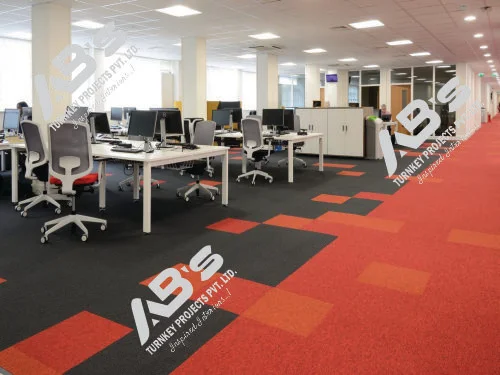
Traditional offices often used fixed rows of desks and separate cabins. Modern workplaces need a wider mix of spaces because employees may work independently, collaborate in teams, attend online meetings or meet visitors during the same day.
Furniture planning should therefore begin with an understanding of work activities. Quiet areas may support focused tasks, while shared tables and meeting spaces can encourage discussion. Clear walkways and suitable circulation space are equally important.
2. Modular Furniture and Reconfigurable Layouts
Modular furniture is designed around components that can be combined, separated or rearranged. This makes it useful for businesses that expect their teams or departments to change over time.
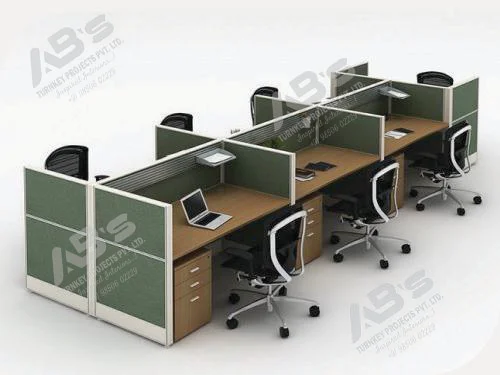
Modular systems can include workstations, storage units, partitions, meeting tables and reception counters. A business may add another workstation, move a divider or rearrange a group of desks without replacing the entire furniture arrangement.
When comparing modular office furniture manufacturers in Pune, businesses should consider component quality, dimensions, finish, assembly methods and the availability of compatible additions. The ability to repair or replace individual parts can also influence long-term value.
3. Ergonomics as a Standard Requirement
Ergonomic furniture should be selected according to the tasks performed and the people using it. It is not enough to purchase a product labelled ergonomic; correct adjustment and suitable workstation setup are also important.
As awareness grows, office furniture setup services in Pune will increasingly need to include ergonomic considerations in the planning stage rather than treating them as optional additions.
4. Smart Furniture and Digital Connectivity
Workplaces depend on laptops, monitors, phones, video-conferencing equipment and other connected devices. Furniture design is adapting to these requirements through integrated power outlets, USB charging points, wireless charging surfaces and concealed cable channels.
Meeting tables may include accessible connection points for presentation equipment. Workstations can be planned with cable trays and organised routes for electrical and network wiring. These details reduce clutter and make equipment easier to use.
Smart furniture may also connect with building systems that manage room bookings, lighting or occupancy. Such features should be selected according to actual business needs. Technology adds value when it solves a practical problem, not simply because it is new.
5. Sustainable Materials and Longer Product Life
Environmental considerations are becoming more visible in commercial interiors. Businesses may look for responsibly sourced timber, recycled metals, recyclable components and finishes with lower emissions. Material selection should also consider durability, cleaning requirements and repair options.
A product that lasts longer and can be maintained may create less waste than furniture that needs frequent replacement. Reusable partitions and replaceable modular components can support this approach.
Commercial furniture manufacturers in Pune are part of a market in which buyers may compare material sources, construction quality and manufacturing processes alongside appearance and cost. Businesses should ask clear questions about material specifications instead of relying only on general sustainability claims.
6. Hybrid Work and Shared Workstations
Hybrid working has changed how often some employees use the office. In workplaces where attendance varies, permanently assigned desks may not be necessary for every role.
Shared workstations, sometimes called hot desks, allow employees to use available desks when they come to the office. These spaces need adjustable chairs, accessible power, secure storage and a simple way to keep surfaces ready for the next user.
Businesses should estimate actual attendance before deciding how many desks to install. Too few workstations can cause inconvenience, while too many may waste valuable floor area.
7. Acoustic Furniture and Privacy
Open layouts can make communication easier, but noise may affect concentration and confidential conversations. Acoustic planning can help balance collaboration with privacy.
Options include desk screens, sound-absorbing wall panels, upholstered seating, enclosed phone booths and small meeting pods. The right solution depends on the type of noise, room size and activities taking place.
Acoustic products should be positioned carefully. A screen may reduce direct distractions between nearby desks, while a meeting pod can provide a separate place for calls. These features work best as part of an overall layout rather than as isolated additions.
8. Space-Saving Furniture for Smaller Offices
Many businesses need to make efficient use of limited floor area. Compact desks, vertical storage, wall-mounted shelves and multi-purpose furniture can help keep a small office organised.
Corner workstations may use areas that would otherwise remain empty. Mobile storage units can be moved when a room needs to serve another purpose. Foldable or nesting tables can be useful in training rooms and shared spaces.
When researching modular office furniture manufacturers in Pune, organisations with compact offices can look for systems that offer useful storage without making work areas feel crowded.
9. Biophilic Design and Natural Elements
Biophilic design brings natural features into indoor environments. In offices, this may involve plants, natural textures, daylight, views of outdoor spaces and colours inspired by nature.
Furniture can support this approach through timber finishes, planters integrated into partitions and seating arranged near windows. Plants should be selected for indoor conditions and maintained appropriately so they do not obstruct work areas.
10. Customisation for Different Business Types
Different workplaces require different furniture. An IT office may need computer desks, cable management and collaboration areas. A training centre may need movable tables and flexible seating. A reception area requires a counter that supports visitor interaction, while a conference room needs suitable seating and presentation access.
Businesses considering commercial furniture manufacturers in Pune should define the purpose of each area before selecting products. Dimensions, expected usage, storage needs and maintenance should guide customisation.
11. Digital Planning and Three-Dimensional Visualisation
Digital design tools help planners examine a proposed office before furniture is installed. Floor plans and three-dimensional models can show workstation positions, circulation routes, storage locations and meeting areas.
This can help identify problems such as desks that are too close together, blocked walkways or furniture that interferes with doors. Different layouts can be compared before orders are placed.
Virtual reality and augmented reality may also allow teams to explore a proposed environment. These tools are useful when measurements are accurate and the digital model reflects the actual site.
12. Installation, Maintenance and Adaptability
Planning for future change can reduce disruption. Modular desks, movable partitions and replaceable components may allow a business to adapt without starting again. The scope of office furniture setup services in Pune should therefore consider both initial installation and the practical needs that arise later.
13. How to Evaluate Furniture Options
Before choosing furniture, businesses should prepare a list of requirements. This should include employee numbers, floor measurements, work activities, storage needs, technology and likely expansion.
Compare products using consistent criteria: material, dimensions, load capacity, finish, warranty, maintenance and ease of assembly. A low initial price may not represent good value if the furniture is difficult to repair or unsuitable for daily use.
14. Future Direction of Commercial Office Furniture
The office furniture sector is likely to continue combining flexibility, comfort and practical technology. Businesses may place greater emphasis on furniture that can be rearranged, repaired and adapted to different work patterns.
Manufacturers may respond with more configurable product ranges, improved material choices and digital tools for planning. Buyers will still need to evaluate quality and suitability rather than assuming that every new feature is necessary.
For commercial furniture manufacturers in Pune and modular office furniture manufacturers in Pune, the changing workplace creates demand for products that meet varied requirements while remaining durable and functional. The most useful developments will be those that solve real problems in everyday office life.
Frequently Asked Questions
1. What are the main future trends in office furniture?
Key trends include modular workstations, ergonomic seating, integrated connectivity, sustainable materials, acoustic solutions and flexible layouts.
2. Why is modular furniture useful?
Modular furniture can be rearranged or expanded as teams and office requirements change. Individual components may also be replaced without changing the entire setup.
3. What should businesses consider when selecting office chairs?
They should consider adjustability, back support, seat dimensions, stability and how long employees typically remain seated.
4. How can a small office use space efficiently?
Compact desks, vertical storage, multi-purpose furniture and careful layout planning can improve space use while keeping walkways clear.
5. Why is digital planning helpful before installation?
Digital floor plans and three-dimensional models help teams review furniture positions, compare layouts and identify possible space conflicts before installation.
Final Words
Future workplaces will need furniture that supports changing work patterns, employee comfort and responsible use of resources. Businesses planning an office should consider layout, ergonomics, materials, technology and maintenance together rather than making isolated purchasing decisions. AB’s Turnkey Projects Private Limited is associated with the office furniture sector, where these considerations are relevant to modern workspace planning. A thoughtful approach to office furniture setup services in Pune can help organisations create functional spaces that remain adaptable as their needs develop.